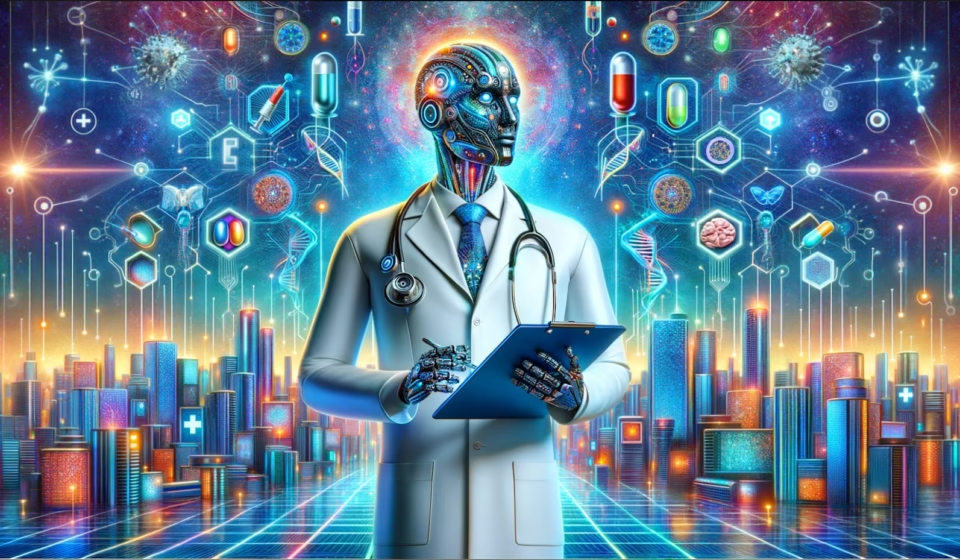

Not long ago, the idea of a computer helping a doctor perform surgery or predicting a heart attack before it happened felt like something out of a science fiction movie. But as we move through 2026, these “futuristic” ideas have become part of our daily reality.
Artificial Intelligence (AI) is no longer just a buzzword; it is a vital tool that is making healthcare faster, smarter, and more personal. In this post, we’ll explore how AI is transforming the medical world, the benefits it brings to patients, and the challenges we still need to solve.
1. Faster and More Accurate Diagnoses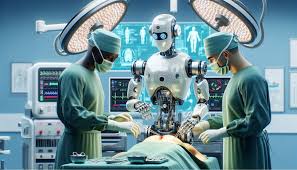
One of the biggest ways AI is helping is in diagnostics—the process of identifying a disease. Doctors are brilliant, but they are also human. They can get tired, and sometimes tiny details in a medical scan can be incredibly hard to see.
AI algorithms are trained on millions of medical images, such as X-rays, MRIs, and CT scans. Because they can process this data in seconds, they are often able to spot early signs of cancer, heart disease, or even bone fractures that a human eye might miss. For example, AI tools used for breast cancer detection can now reach up to 94% accuracy. This doesn’t mean the computer is replacing the doctor; it means the doctor has a “super-powered” assistant to help catch problems early when they are easiest to treat.
2. Personalized Medicine: Treatments Made for You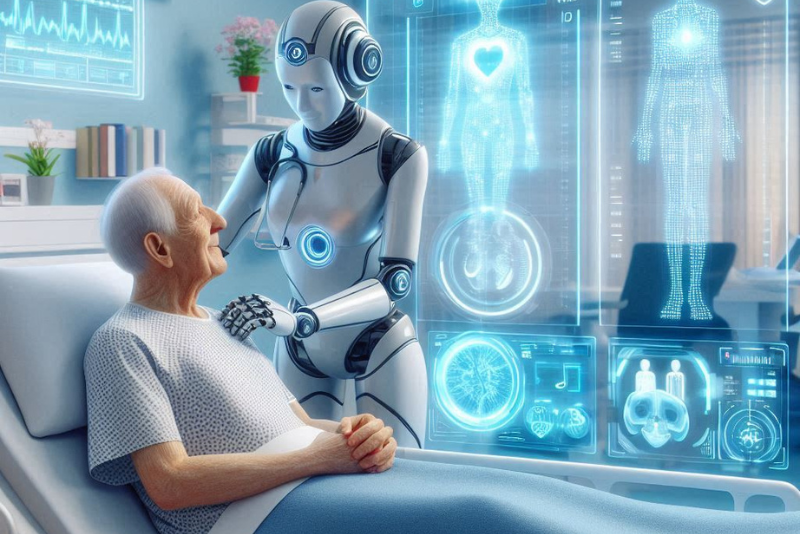
In the past, many medical treatments were “one size fits all.” If ten people had the same disease, they often received the same medicine. However, everyone’s body is different.
AI is ushering in the era of personalized medicine. By analyzing your specific genetic makeup, lifestyle, and medical history, AI can help doctors predict which treatments will work best for you. This reduces the “trial and error” approach to medicine, leading to faster recovery times and fewer side effects.
3. Virtual Assistants and Remote Monitoring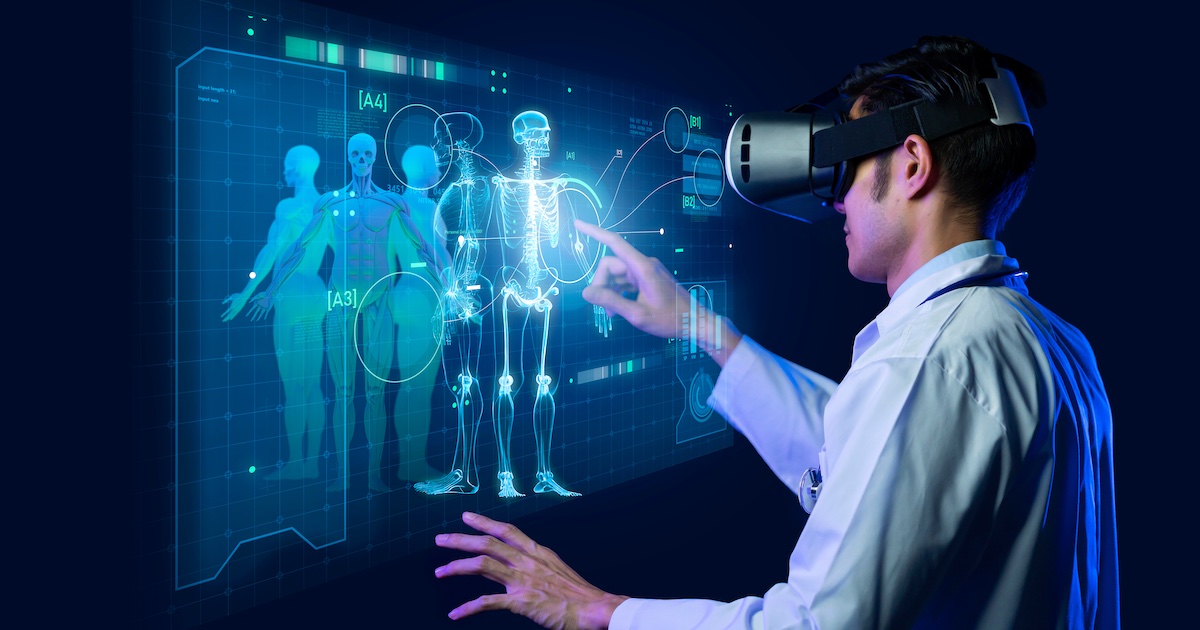
AI is also changing how we interact with the healthcare system. You may have already used a health chatbot to check your symptoms or schedule an appointment. These virtual assistants are available 24/7, providing quick answers and helping “triage” patients—deciding who needs to see a doctor immediately and who can wait.
Furthermore, wearable devices like smartwatches are now powered by AI to monitor our health in real-time. These devices can track your heart rate, oxygen levels, and sleep patterns. If the AI detects something unusual—like an irregular heartbeat—it can send an alert to both you and your doctor. This “proactive” care can prevent emergency hospital visits before they even happen.
4. Speeding Up Drug Discovery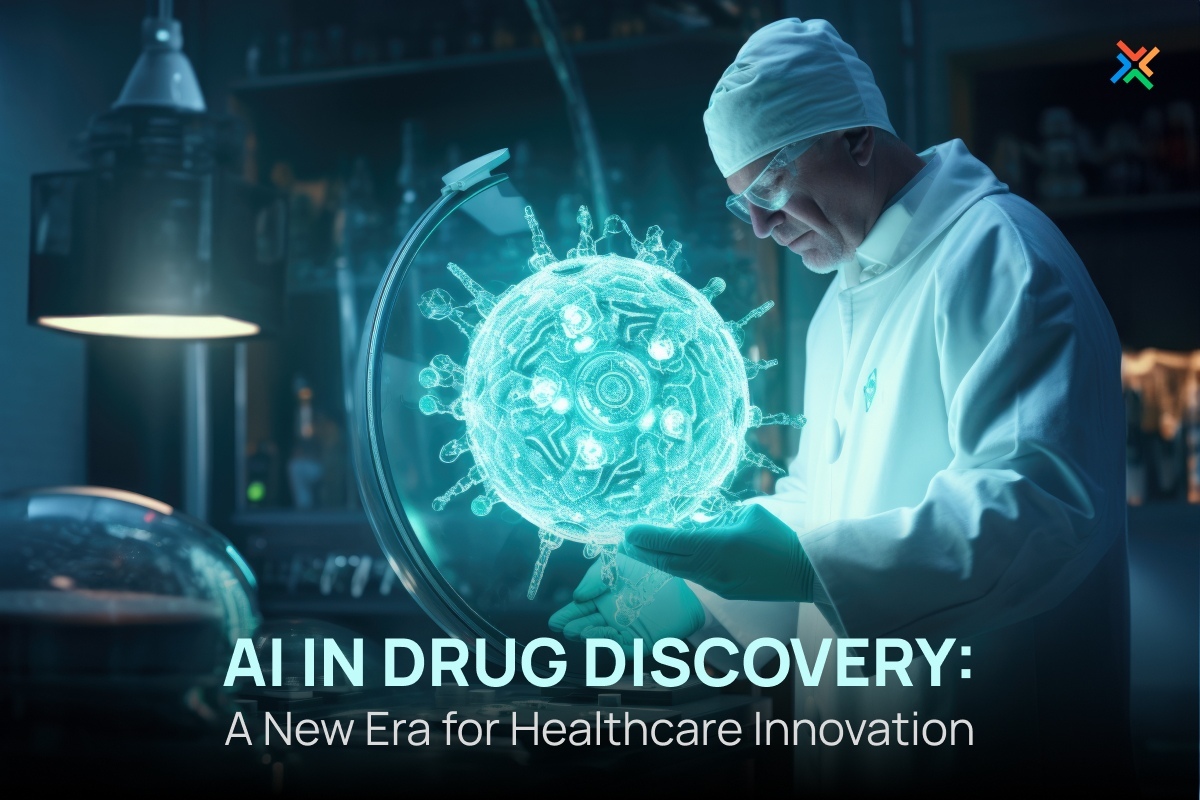
Developing a new medicine usually takes about 10 years and costs billions of dollars. Much of that time is spent testing thousands of chemical compounds to see which ones might fight a disease.
AI is drastically shortening this timeline. Computers can now simulate how different drugs will interact with the human body, allowing researchers to skip years of manual testing. In 2026, we are seeing AI help discover new antibiotics and treatments for rare diseases in a fraction of the usual time.
5. Reducing “Burnout” for Doctors and Nurses
Medical professionals are currently facing a massive amount of paperwork. Studies show that many doctors spend nearly twice as much time on documentation as they do talking to patients.
AI is stepping in to handle these “administrative time sinks.” New ambient listening tools can listen to a conversation between a doctor and a patient and automatically write the medical notes. This allows the doctor to look the patient in the eye and focus on care, rather than typing on a computer.
The Challenges: Privacy and Ethics
While AI is exciting, it isn’t perfect. As we integrate it into our lives, we have to address some serious questions:
-
Data Privacy: Medical records are very sensitive. We must ensure that as AI “learns” from our data, that information is kept strictly private and secure from hackers.
-
Bias in AI: If an AI is trained only on data from one group of people, it might not work as well for others. It is crucial that the data used to train AI is diverse so that everyone receives fair and equal care.
-
The “Human Touch”: At the end of the day, medicine is about human connection. AI is a tool to support doctors, not to replace the empathy, judgment, and comfort that a human healthcare provider offers.
Looking Ahead
As we look toward the rest of 2026 and beyond, the goal of AI in healthcare is simple: Smarter care, not just faster care. By taking over repetitive tasks and providing deep insights into data, AI is giving doctors more time to do what they do best—care for people.
The journey of AI in medicine is just beginning, and while there are hurdles to overcome, the potential to save lives and make healthcare accessible to everyone is more reachable than ever before.