
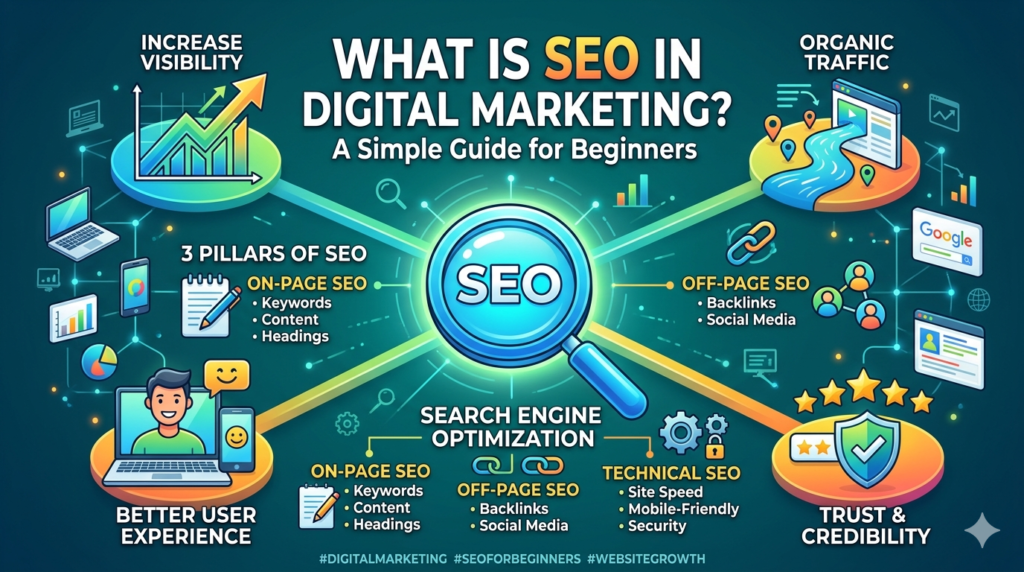
What is SEO In Digital Marketing? If you have ever searched for something on Google—whether it is “best pizza near me” or “how to fix a leaky faucet”—you have interacted with SEO. You probably clicked on one of the first few results that popped up. Have you ever wondered why those specific websites appeared at the top while others were buried on page ten?
That is the magic of Search Engine Optimization, or SEO.
In the world of digital marketing, SEO is one of the most powerful tools available. It is the art and science of making your website more visible to people who are looking for products, services, or information related to your business.
What is SEO in digital marketing?
At its core, SEO stands for Search Engine Optimization. It is the process of improving your website to increase its visibility when people search for things in Google, Bing, and other search engines.
Think of the internet like a giant library with billions of books but no central filing cabinet. Search engines like Google act as the librarians. When you ask a question, the librarian “crawls” through every book to find the most relevant, high-quality information to answer your query. SEO is simply the way you format your “book” (your website) so the librarian can easily find it, understand it, and recommend it to others.
Why is SEO Important?
You might have a beautiful website, but if no one can find it, it’s like opening a store in the middle of a desert. Here is why SEO matters:
-
Trust and Credibility: People trust Google. If your site is on the first page, users automatically perceive your
 business as a leader in the industry.
 -
Cost-Effective: Unlike paid ads (where you pay every time someone clicks), the traffic you get from SEO is “organic” or free.
-
Better User Experience: SEO isn’t just about tricking a computer; it’s about making your site easy for real people to use.
-
Long-Term Results: A well-optimized blog post can bring in visitors for years, whereas an ad stops working the second you stop paying for it.
How Does SEO Work? (The Three Pillars)
To keep things simple, we can break SEO down into three main categories:
1. On-Page SEO (What is on your site)
This involves everything you do inside your website to help it rank.
-
Keywords: These are the words and phrases people type into search engines. If you run a digital marketing
 agency, you want to include keywords like “digital marketing services” or “how to grow my business online” in your text.
 -
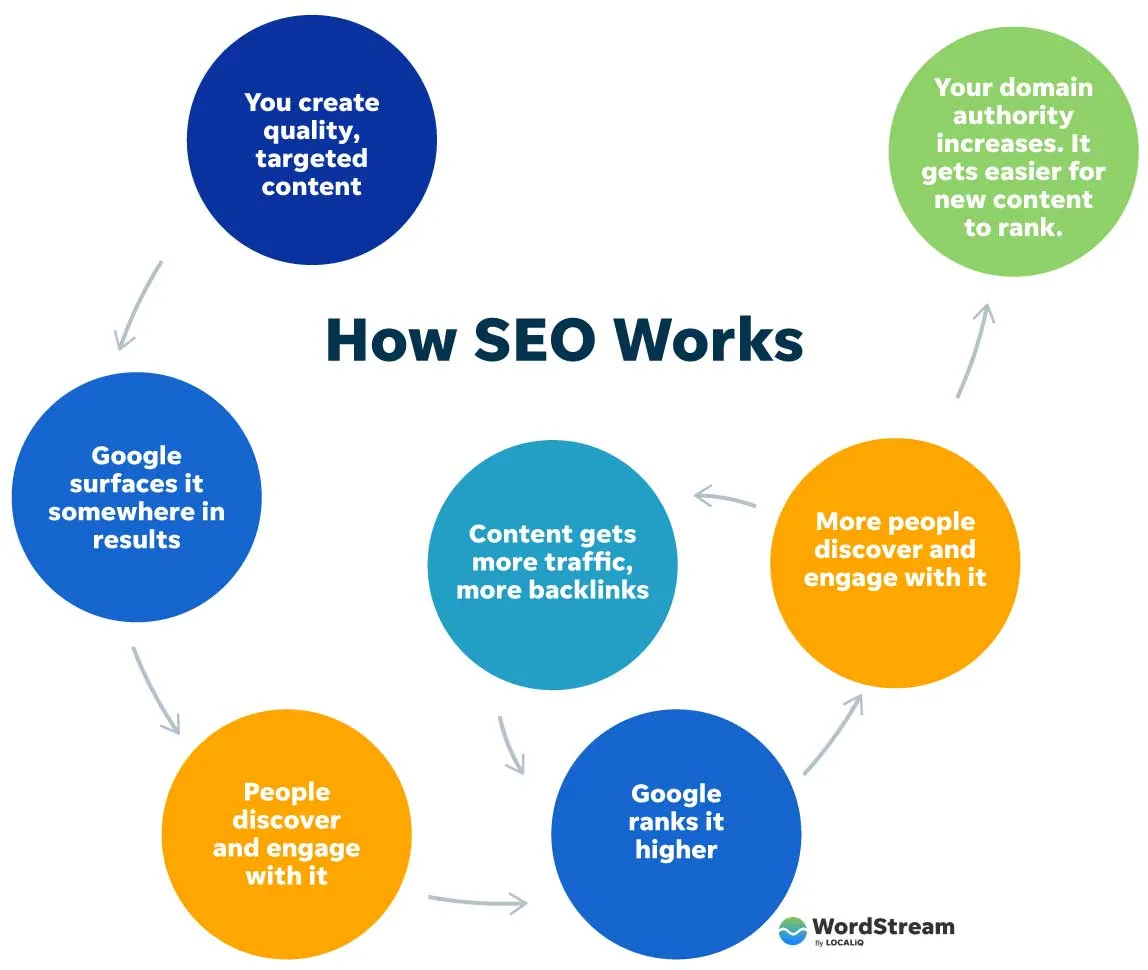
Content Quality: Google loves helpful content. If your writing is clear, informative, and answers the user’s question, you will rank higher.
-
Headings and Titles: Using clear titles (like the ones in this post!) helps search engines understand the structure of your page.
2. Off-Page SEO (What happens outside your site)
This is about building the reputation of your website. The most important factor here is Backlinks. A backlink is when another website links to yours. Think of it as a “vote of confidence.” If a popular tech blog links to your site, Google thinks, “Hey, this site must be an authority!”
3. Technical SEO (The “Engine” of your site)
This is the behind-the-scenes stuff. It ensures that search engines can read your site without any glitches.
-
Site Speed: No one likes a slow website. If your page takes more than three seconds to load, people will leave, and Google will penalize you.
-
Mobile Friendliness: Most people browse the web on their phones. Your site must look and work great on a mobile screen.
-
Security: Having an “HTTPS” site (the little padlock icon in your browser) is a must for ranking today.
The Role of Keywords
Keywords are the bridge between what people are searching for and the content you are providing. However, the way we use keywords has changed.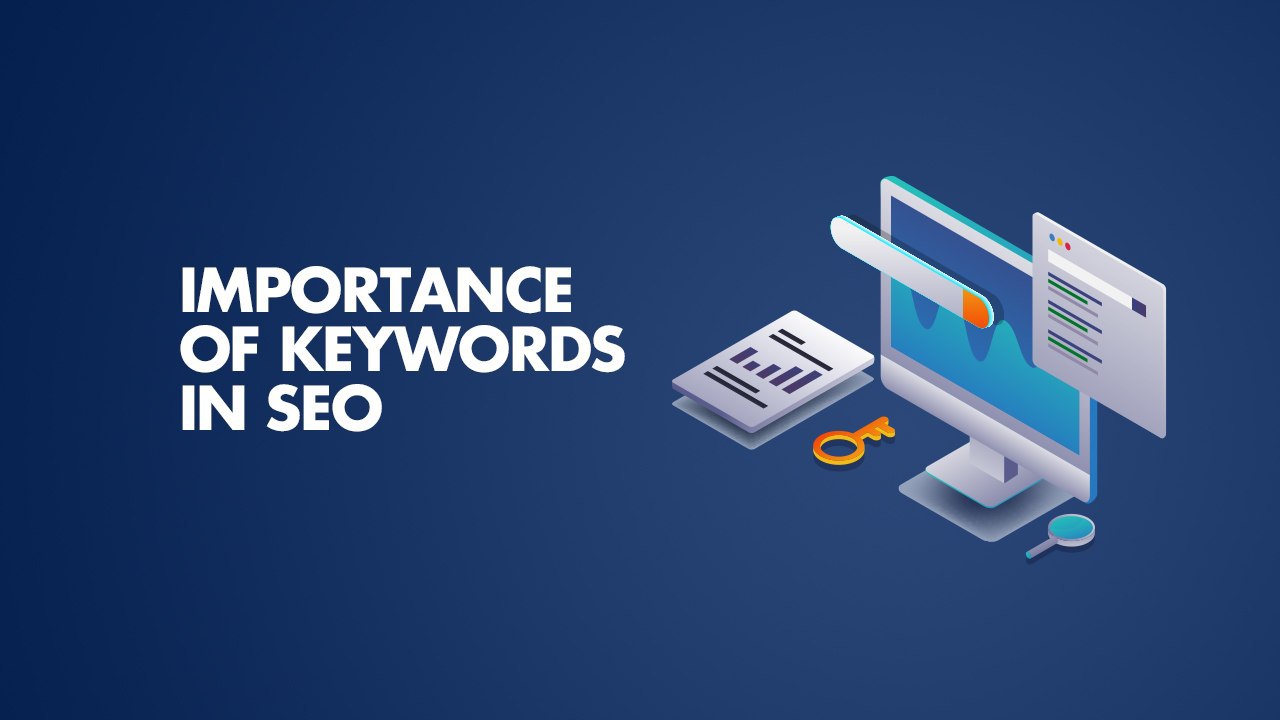
Years ago, people used “keyword stuffing”—cramming the same word 50 times into a paragraph. Today, that will get you banned. Modern SEO is about Search Intent. You need to understand why someone is searching. Are they looking for information? Are they ready to buy? By writing naturally and focusing on the user’s needs, you naturally include the right keywords.
SEO is a Marathon, Not a Sprint
One thing to remember is that SEO takes time. You won’t see your website jump to the #1 spot overnight. It usually takes a few months of consistent effort to see significant results. However, the “interest” you earn on that effort compounds over time, creating a steady stream of customers that grow your business.
Final Thoughts
SEO might seem complicated at first, but it really boils down to one goal: Being the most helpful result on the internet. If you focus on creating great content, making your site fast, and using the right keywords, search engines will reward you with more visitors.
Whether you are a student looking at digital marketing courses or a business owner trying to scale, understanding SEO is the first step toward online success.