
How do Google Ads work? Google Ads is one of the most powerful tools in the world for growing a business. At its simplest, it is an online advertising platform where businesses pay to show their ads to people who are searching for things on Google.
In the past, advertising was like casting a wide net into the ocean and hoping to catch a few fish. You would put an ad in a newspaper or on a billboard and hope that the right person saw it. Google Ads is different. It is like placing your shop right in front of someone the exact moment they realize they need what you sell.
How Do Google Ads Works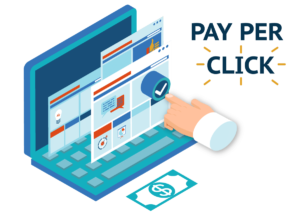
Google Ads operates on a system called Pay-Per-Click (PPC). This means you only pay when someone actually clicks on your ad to visit your website or call your business. If your ad is shown 1,000 times but no one clicks it, you don’t pay a rupee.
The system works like an auction, but it isn’t just about who has the most money. When someone searches for a phrase like “plumber near me,” Google looks at all the plumbers who want to show an ad. It decides which ad to show based on two main things:
-
Your Bid: How much you are willing to pay for a click.
-
Quality Score: How helpful and relevant your ad and website are to the person searching.
This means a small business with a great website can often beat a giant company if their ad is more relevant to the user.
The Different Types of Ads 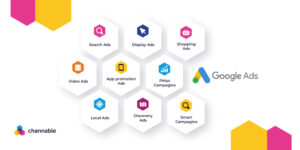
Google Ads is not just about the text you see at the top of search results. In 2026, the platform has grown into a massive ecosystem with several ways to reach customers:
-
Search Ads: These are the text-based ads that appear when you search for something. They are perfect for catching people who are ready to buy.
-
Display Ads: These are image-based banners that appear on millions of websites and apps. They are great for building “brand awareness”—making sure people remember your name.
-
Video Ads: These run on YouTube. They can be short ads before a video starts or ads that appear in the YouTube search results.
-
Shopping Ads: If you sell physical products, these ads show a photo of the item, the price, and your store name directly in the search results.
-
Performance Max: This is a newer, AI-driven campaign type. You give Google your images, videos, and text, and its AI automatically decides where to show them (Search, YouTube, Gmail, etc.) to get you the best results.
Why Use Google Ads?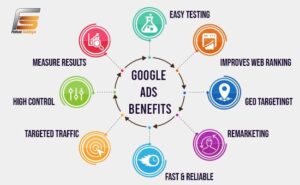
The biggest advantage of Google Ads is speed. If you create a new website today, it might take months for it to show up on the first page of Google naturally (this is called SEO). With Google Ads, you can be at the top of the page within hours.
Another benefit is targeting. You can choose exactly who sees your ads. You can target people based on:
-
Location: Only show ads to people in your city or within five miles of your shop.
-
Timing: Only show ads during your business hours.
-
Device: Target people who are searching on mobile phones versus those on desktop computers.
Finally, Google Ads is measurable. Unlike a billboard, Google tells you exactly how many people saw your ad, how many clicked, and—if you set it up correctly—how many people actually bought something after clicking.
Simple Steps to Start
Setting up a campaign might feel scary, but the process is straightforward if you take it one step at a time:
-
Define Your Goal: Do you want more phone calls, more website sales, or more people visiting your physical store?
-
Pick Your Keywords: These are the words or phrases people type into Google. For a bakery, keywords might be “fresh bread” or “birthday cakes.”
-
Set Your Budget: You decide how much you want to spend per day. You can start with as little as ₹500 to ₹1000.
-
Write Your Ad: Create a catchy headline and a clear description. Tell people why they should click on your link instead of someone else’s.
-
Create a Landing Page: This is the page people see after they click. It should be easy to read and make it simple for the customer to take action.
Success in 2026: The Role of AI
In 2026, Google Ads uses more Artificial Intelligence (AI) than ever before. New features like “AI Overviews” mean that ads now appear inside AI-generated answers at the top of the search page.
Common Mistakes to Avoid
Many people lose money on Google Ads because they make simple errors. Here is how to avoid them:
-
Targeting too broadly: If you sell high-end watches, don’t just use the keyword “watches.” You will pay for clicks from people looking for cheap plastic watches. Use “luxury watches” instead.
-
Ignoring Negative Keywords: These are words you don’t want to show up for. If you sell new cars, you should add “used” as a negative keyword so you don’t waste money on people looking for second-hand vehicles.
-
Bad Landing Pages: If your ad is great but your website is slow or confusing, people will leave immediately. You will have paid for the click but gained no customer.
Conclusion
Google Ads is a “fair” marketplace. It allows a one-person business to compete with a global corporation by being smarter and more relevant. By starting small, testing what works, and using the data Google provides, any business can turn the search engine into a powerful engine for growth.
Whether you are looking to sell a product, find new clients for your service, or simply get your name out there, Google Ads remains the most direct way to connect with people at the exact moment they are looking for help.